
Main Takeaways
- Winter roof maintenance is critical because cold temperatures, rain, wind, and debris place extra stress on roofing materials and expose weak points.
- Small roofing issues can quickly escalate during winter, leading to leaks, water damage, mold growth, and costly emergency repairs.
- Common winter roof problems include leaks, loose or missing shingles, flashing failures, and clogged gutters, all of which worsen during storms.
- Preventive maintenance improves energy efficiency, helping reduce heat loss and lowering winter heating costs.
- Professional roof inspections identify hidden damage that homeowners often miss, such as underlayment issues, flashing deterioration, and structural weaknesses.
- Gutters, ventilation, and insulation play a major role in roof performance, especially during cold and wet conditions.
- Regular winter roof maintenance protects property value, extends roof lifespan, and reduces stress by preventing unexpected breakdowns during the coldest months.
Cold weather can be hard on your home, and your roof often takes the biggest hit. Rain, wind, falling debris, and temperature changes all put stress on roofing materials. That is why winter roof maintenance is so important. A small issue that goes unnoticed can turn into a serious problem once winter storms arrive.
Many homeowners wait until something goes wrong before calling a professional. Unfortunately, winter conditions make repairs harder and more expensive. Being proactive can help you avoid leaks, water damage, and unexpected costs.
This guide explains why winter roof maintenance matters, what problems to watch for, and how to prepare your roof for colder weather. Whether you own a residential or commercial property, understanding these basics can help protect your investment.
Why Winter Is Tough on Roofing Systems
Winter brings a combination of moisture, cold air, and weather changes that can weaken roofing materials. Even in areas without snow, winter storms can cause damage over time.
Cold temperatures can make roofing materials less flexible. When materials contract and expand, cracks can form. Heavy rain can expose weak spots, and clogged gutters can force water back under shingles or tiles.
Wind is another major factor. Winter storms often bring strong gusts that lift shingles, loosen flashing, and damage roof edges.
Without proper winter roof maintenance, these issues can lead to leaks, mold growth, and interior damage.
Common Winter Roof Problems Homeowners Face
Understanding common winter roofing issues helps you know what to look for before problems escalate.
Roof Leaks
Small cracks or damaged flashing can allow water to seep inside. Winter rain makes leaks more noticeable and more damaging.
Loose or Missing Shingles
Wind and temperature changes can loosen shingles. Once a shingle is missing, the underlayment becomes exposed to moisture.
Clogged Gutters
Leaves and debris block water flow. When water backs up, it can damage the roof edge and fascia.
Flashing Failures
Flashing seals areas around chimneys, vents, and skylights. When flashing fails, water can enter easily.
Why Preventive Winter Roof Maintenance Matters
Preventive care is always more affordable than emergency repairs. Winter roof maintenance helps you identify and fix small issues before storms make them worse.
A well maintained roof also improves energy efficiency. Gaps and damage allow heat to escape, causing higher heating bills.
Another benefit is peace of mind. Knowing your roof is ready for winter weather reduces stress when storms arrive.
When to Schedule Winter Roof Maintenance
The best time to prepare your roof for winter is before the coldest weather sets in. Early fall is ideal, but inspections can still be helpful during winter if conditions allow.
If you notice signs like water stains on ceilings, drafts, or visible roof damage, do not wait. These are signs your roof may already be compromised.
Professional roof inspections provide a clear picture of your roof’s condition and help prioritize necessary repairs.
Professional Roof Inspections vs DIY Checks
Homeowners can perform basic visual checks, but professional inspections offer deeper insight.
What Homeowners Can Look For
- Missing or damaged shingles
- Debris on the roof
- Sagging areas
- Water stains inside the home
What Professionals Look For
- Hidden leaks
- Flashing integrity
- Structural weaknesses
- Underlayment condition
Professional inspections catch issues that are not visible from the ground.
The Role of Gutters in Winter Roof Health
Gutters play a major role in winter roof maintenance. They direct water away from your roof and foundation.
When gutters are clogged, water pools along the roof edge. This increases the risk of leaks and wood rot.
Cleaning gutters before winter storms is one of the simplest and most effective maintenance steps. Installing gutter guards can also reduce debris buildup.
How Roofing Materials Respond to Cold Weather
Different roofing materials react differently to winter conditions.
Asphalt Shingles
Asphalt shingles can become brittle in cold temperatures. Cracks and granule loss are common issues.
Tile Roofs
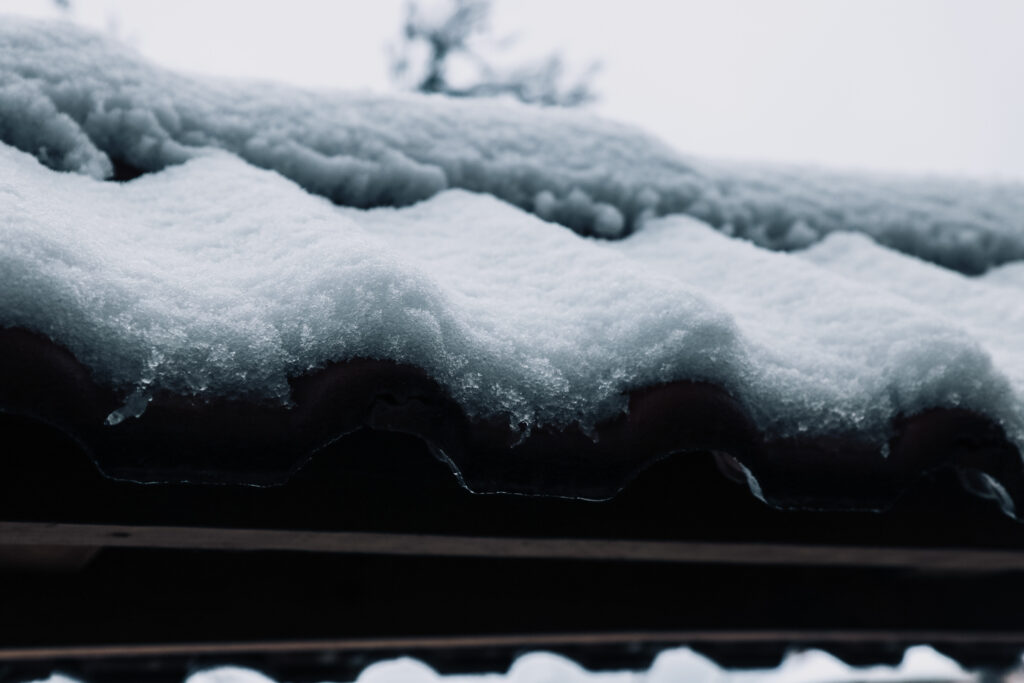
Tile roofs are durable but can crack if water freezes inside small imperfections.
Metal Roofing
Metal roofs handle winter well but still require inspections for loose fasteners and sealant wear.
Flat Roofs
Flat roofs are especially vulnerable to pooling water. Proper drainage is critical during winter months.
Understanding your roof type helps you plan appropriate winter roof maintenance.
Why Roof Flashing Deserves Special Attention
Flashing protects the most vulnerable areas of your roof. These include chimneys, skylights, vents, and roof edges.
Winter weather tests flashing seals. If flashing loosens or corrodes, water can enter the structure quickly.
Checking and resealing flashing is a key part of winter roof maintenance that prevents leaks before they start.
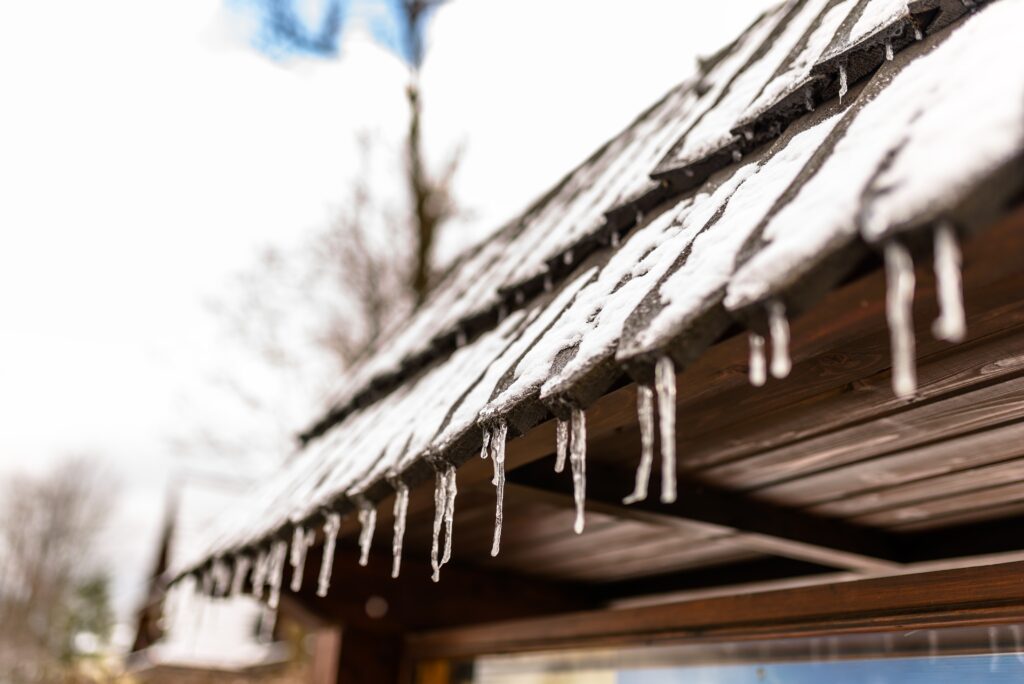
Ventilation and Insulation Impact Roof Performance
Proper attic ventilation and insulation help regulate roof temperature.
Poor ventilation traps moisture, which can damage roof decking and promote mold growth. Insufficient insulation allows heat to escape, increasing energy costs and stressing roofing materials.
A balanced ventilation system supports roof longevity and improves indoor comfort during winter.
Warning Signs Your Roof Needs Immediate Attention
Some signs should never be ignored, especially during winter.
- Water stains on ceilings or walls
- Dripping sounds during rain
- Drafts near the ceiling
- Mold or mildew odors
- Curling or lifting shingles
If you notice any of these, contact a roofing professional right away.
How Winter Roof Maintenance Protects Your Home’s Value
Your roof is one of the most important components of your home’s structure. Neglecting maintenance can reduce property value and lead to costly repairs.
Regular winter roof maintenance helps preserve curb appeal, prevent structural damage, and extend the life of your roof.
Buyers and inspectors often look closely at roof condition. A well maintained roof adds confidence and value.
Commercial Properties Also Need Winter Roof Maintenance
Winter roof maintenance is just as important for commercial buildings.
Flat roofing systems, HVAC units, and drainage systems all require attention. Water intrusion can disrupt business operations and damage inventory.
Regular inspections help business owners avoid downtime and expensive emergency repairs.
Why Working With a Local Roofing Expert Matters
Local roofing professionals understand regional weather patterns and common roofing challenges.
They know which materials perform best in local conditions and how to prepare roofs for seasonal changes.
Choosing a trusted local contractor ensures faster response times and reliable service when you need it most.
How Often Should Roof Maintenance Be Performed?
Roof maintenance should be done at least once a year, with additional checks before winter.
Homes in areas with heavy rain or wind may benefit from more frequent inspections.
Consistency is key. Regular care reduces the likelihood of major problems and extends roof life.
Planning Ahead Saves Money and Stress
Emergency roof repairs during winter often cost more and take longer to complete. Contractors may face delays due to weather conditions.
Planning winter roof maintenance in advance allows for flexible scheduling and better pricing.
Preventive care protects both your home and your budget.
Winter Roof Maintenance Is an Investment, Not an Expense
Many homeowners see maintenance as optional. In reality, it is an investment in safety and durability.
Small repairs today prevent large expenses tomorrow. Proper care also improves energy efficiency and comfort.
Your roof protects everything beneath it. Giving it attention before winter pays off in the long run.
Protect Your Roof With Berry Roofing & Solar
Winter weather can expose even the smallest roofing issues. Do not wait for a leak or storm damage to take action. Berry Roofing & Solar provides professional winter roof maintenance services designed to protect your home or business during the coldest months.
With experienced technicians, thorough inspections, and quality workmanship, Berry Roofing & Solar helps extend roof life and prevent costly repairs. Whether you need an inspection, repairs, or long term maintenance planning, their team is ready to help.
Contact Berry Roofing & Solar today to schedule your winter roof maintenance and make sure your roof is prepared for whatever the season brings.