
Main Takeaways
- Roof longevity depends on material, installation, weather, and maintenance — Asphalt shingles, metal, tile, and slate all offer different lifespans, but upkeep and climate exposure significantly influence performance.
- Regular inspections are essential for preserving roof life — Watching for missing shingles, leaks, staining, algae, and sagging helps homeowners catch problems early before damage spreads.
- Weather plays a major role in roof wear and deterioration — Heat, heavy rain, snow, and strong winds impact durability, making high-quality, weather-resistant materials and proper drainage crucial.
- Routine maintenance dramatically extends roof lifespan — Cleaning gutters, clearing debris, addressing moss, and repairing damaged areas promptly helps prevent water damage and structural issues.
- Proper ventilation and insulation protect your roof from internal damage — Reducing heat and moisture in the attic prevents mold, warped shingles, and roof-deck deterioration.
- Professional inspections provide deeper protection than DIY checks — Roofing experts can identify hidden structural issues, flashing failures, moisture penetration, and long-term risks.
- Investing in quality materials and accessories increases durability — Using top-grade shingles, flashing, underlayment, and drip edges, along with skilled installation, ensures a longer-lasting, more efficient roof.
Your roof is more than just the top of your home. It protects your family, belongings, and the structural integrity of your property. Investing in a roof means thinking long-term, and one of the most important factors is roof longevity. By taking the right steps, homeowners can ensure that their roofs last decades, saving money on repairs and replacements. This article will guide you through the key ways to protect your roof, maintain it, and make decisions that maximize its life span.
Roof Longevity
Roof longevity refers to how long a roof can function effectively before it needs replacement. Several factors influence this, including:
- Type of roofing material
- Quality of installation
- Weather exposure
- Maintenance routine
- Structural support
Different roofing materials have different lifespans. Asphalt shingles may last 20–30 years, while metal or tile roofs can last 50 years or more. Understanding what affects roof longevity helps homeowners make informed choices about care and upgrades.
Types of Roofing Materials and Their Lifespan
Asphalt Shingles
Asphalt shingles are popular due to affordability and ease of installation. Standard shingles last around 20–30 years, but architectural shingles can last longer. Quality of installation and regular maintenance significantly affect lifespan.
Metal Roofs
Metal roofs, including steel, aluminum, and copper, are known for their durability. They resist rot, fire, and insect damage. With proper care, metal roofs can last 40–70 years.
Tile Roofs
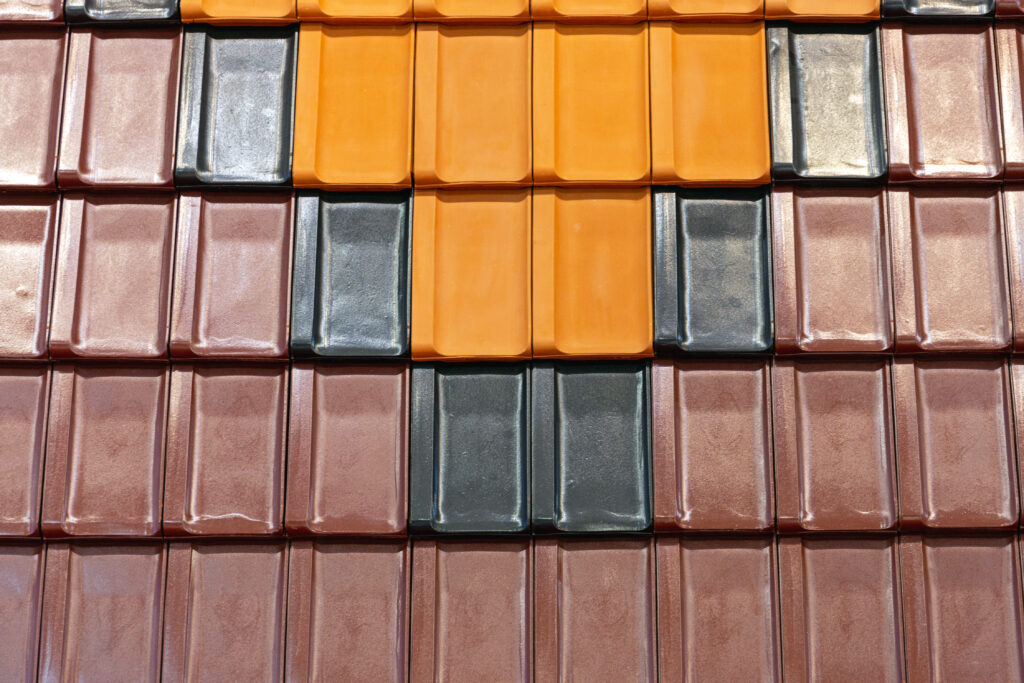
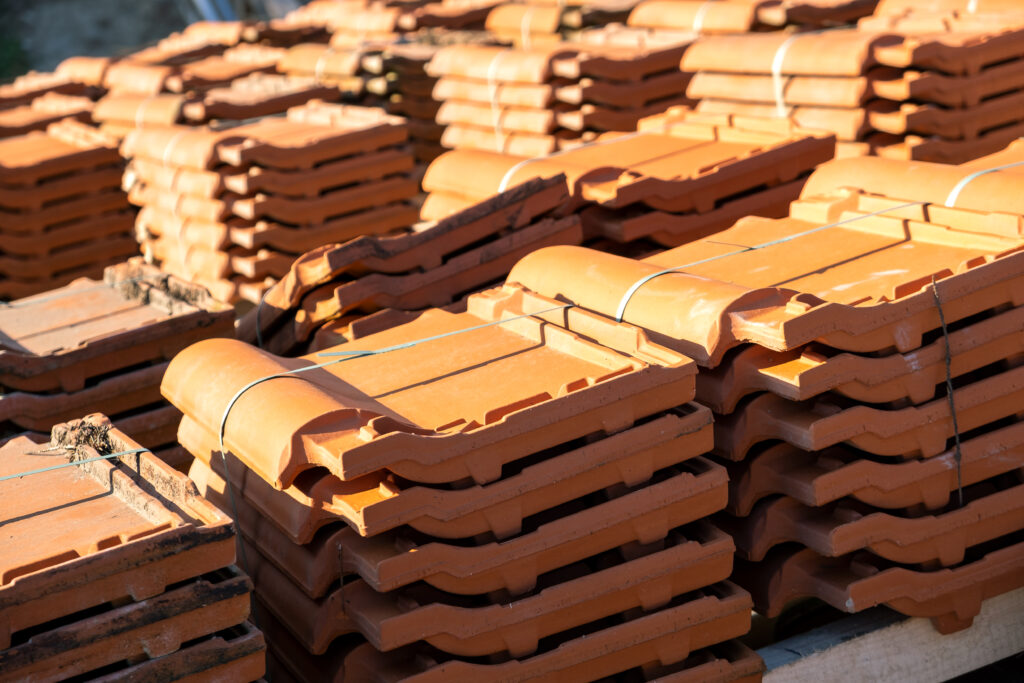
Clay and concrete tiles are extremely durable. Tile roofs resist harsh weather and fire, and some can last over 50 years. However, improper installation can reduce their effectiveness.
Slate Roofs
Slate is a premium roofing material with a lifespan of 75–100 years. It is heavy and requires professional installation, but the long-term benefits in durability and low maintenance make it ideal for many homes.
Signs Your Roof May Be Aging
Monitoring your roof is critical for preserving roof longevity. Watch for these signs:
- Missing or curling shingles
- Water stains on ceilings
- Moss or algae growth
- Leaks around chimneys or vents
- Sagging or uneven areas
Identifying these issues early prevents larger, more expensive repairs. Regular inspections, at least twice a year, help detect damage before it becomes critical.
The Role of Weather in Roof Longevity
Weather has a major impact on how long a roof lasts. Extreme conditions like high heat, heavy rainfall, snow, ice, and strong winds can cause wear. Homeowners in regions with severe weather should consider:
- High-quality, weather-resistant materials
- Proper roof slope and drainage
- Protective coatings for shingles or tiles
Seasonal maintenance, such as clearing debris before winter, also helps prevent water damage and ice dams.
Regular Roof Maintenance Tips
Proper maintenance is key to increasing roof longevity. Here are steps every homeowner should follow:
Inspect the Roof Regularly
Check for cracked, loose, or missing shingles. Look for rust spots on metal roofs and broken tiles on clay or concrete roofs. Document findings to monitor progression over time.
Clean Gutters and Downspouts
Clogged gutters trap water on your roof. Water pooling can lead to leaks, rot, and mold growth. Clean gutters at least twice a year, especially after fall and spring.
Remove Debris
Branches, leaves, and other debris can trap moisture and create mold or moss growth. Keep the roof clear to prevent damage and maintain proper drainage.
Address Moss and Algae
Moss and algae can weaken roofing materials. Use gentle cleaning methods, like low-pressure washing and specially formulated roof cleaners, to remove growth without causing damage.
Repair Damage Promptly
Even small cracks or missing shingles should be addressed immediately. Timely repairs prevent water from penetrating layers, reducing the risk of structural damage.
Ventilation and Insulation
Proper attic ventilation and insulation are essential for roof longevity. Heat buildup and moisture in the attic can warp shingles, cause mold, and damage the roof deck. Consider:
- Installing ridge vents or soffit vents
- Ensuring insulation does not block airflow
- Checking attic humidity and temperature
Maintaining proper attic conditions reduces stress on the roof and extends its life.
The Impact of Tree Proximity
Trees near your home can be both beneficial and harmful. While they provide shade, branches that touch the roof can:
- Scratch and damage shingles
- Break off during storms
- Drop leaves and debris into gutters
Trim branches at least 6–10 feet from the roof and remove any dead limbs. This reduces physical damage and helps maintain the roof’s integrity.
Choosing Quality Materials
Not all roofing materials are equal. Selecting quality products contributes significantly to roof longevity. When planning a new roof or replacement:
- Choose materials rated for your climate
- Check manufacturer lifespan warranties
- Select experienced contractors for installation
- Consider energy-efficient options for insulation and heat reflection
High-quality materials paired with professional installation can extend a roof’s life by years or decades.
Roofing Accessories That Help Longevity
Certain accessories and features can improve the lifespan of your roof:
- Drip edges: Protect roof edges from water infiltration
- Flashing: Prevent leaks at joints, chimneys, and skylights
- Underlayment: Adds a second layer of protection under shingles
- Sealants: Extend the life of metal roofs or areas with high exposure
These additions reduce water penetration and protect against common causes of roof failure.
Roof Inspections: DIY vs Professional
While homeowners can do simple visual inspections, professional roof inspections provide a deeper look at roof longevity factors. Licensed contractors can:
- Check for hidden water damage
- Inspect flashing and underlayment
- Identify potential structural issues
- Recommend maintenance or replacement timelines
Professional inspections, ideally once a year, ensure minor issues don’t turn into major repairs.
Seasonal Maintenance for Roof Longevity
Different seasons require different care to maintain a long-lasting roof. For example:
- Fall: Clear leaves and debris, inspect gutters, and prepare for winter
- Winter: Check for ice dams, snow buildup, and frozen gutters
- Spring: Remove remaining debris, check for winter damage, clean gutters
- Summer: Inspect for heat damage, sun fading, and loose shingles
Following a seasonal routine protects your roof from common weather-related problems.
Energy Efficiency and Roof Care
A well-maintained roof improves home energy efficiency, indirectly affecting roof longevity. Features that help include:
- Reflective coatings to reduce heat absorption
- Proper insulation in the attic
- Light-colored shingles to reduce thermal stress
- Solar panel integration with proper installation
Efficient energy use reduces stress on the roof and supports a stable home environment.
Common Roof Problems That Reduce Lifespan
Certain problems directly affect roof longevity. Understanding them helps homeowners take preventive action:
- Leaks: Water penetration weakens decking and structure
- Shingle deterioration: Sun, wind, and debris cause cracking or curling
- Mold and algae: Weaken materials and reduce insulation efficiency
- Structural damage: Sagging or uneven roofs indicate major concerns
- Improper installation: Poor alignment, weak flashing, or inadequate underlayment
Timely detection and correction of these issues can save thousands in repairs.
Roof Replacement: When to Consider It
Even with excellent maintenance, every roof reaches the end of its lifespan. Signs that replacement may be necessary include:
- Repeated leaks or repairs
- Shingles or tiles that crumble when touched
- Noticeable sagging
- Widespread moss or mold growth
- Roof age surpassing material warranty
Replacing the roof before catastrophic damage occurs ensures the safety of your home and protects your investment.
The Benefits of a Long-Lasting Roof
Investing in roof longevity has long-term benefits:
- Saves money on frequent repairs
- Protects home structure
- Enhances curb appeal and property value
- Reduces energy costs
- Provides peace of mind during extreme weather
A well-maintained roof is a reliable and cost-effective asset for any homeowner.
Protect Your Roof, Protect Your Home with Berry Roofing & Solar
Your roof is one of the most important components of your home. Following a careful roof longevity plan that includes inspections, maintenance, cleaning, and professional guidance ensures your home remains safe and comfortable for years. A proactive approach helps prevent expensive repairs, enhances energy efficiency, and preserves property value.
For expert assistance in extending the life of your roof and ensuring it stays in top condition, contact Berry Roofing & Solar. Their experienced team can inspect your roof, perform professional maintenance, and provide high-quality materials for any repair or replacement needs. Protect your investment and enjoy a durable, long-lasting roof today.